


Turn Local Culture Into Bookings
Culture isn’t a marketing theme; it’s a business advantage. This post shows how small hotels and vacation rentals can turn authentic local stories, artisan partnerships, and responsible use of AI into sustainable guest experiences that drive bookings and preserve community value.
Everyone says shop local.
Few actually build businesses that make “local” last.
For small hotels, inns, and vacation rentals, culture isn’t decoration. It’s differentiation. It’s what sets your experience apart from every generic listing and algorithmic search.
Guests aren’t looking for souvenirs anymore. They’re searching for connection, the kind that can’t be ordered or automated. The kind that feels real.
This isn’t a call to sell culture. It’s a call to sustain it.
Because when you invest in the people, crafts, and stories that make your place one of a kind, you don’t just preserve heritage. You build a business that travelers remember, talk about, and return to.
Why Culture Matters in Hospitality
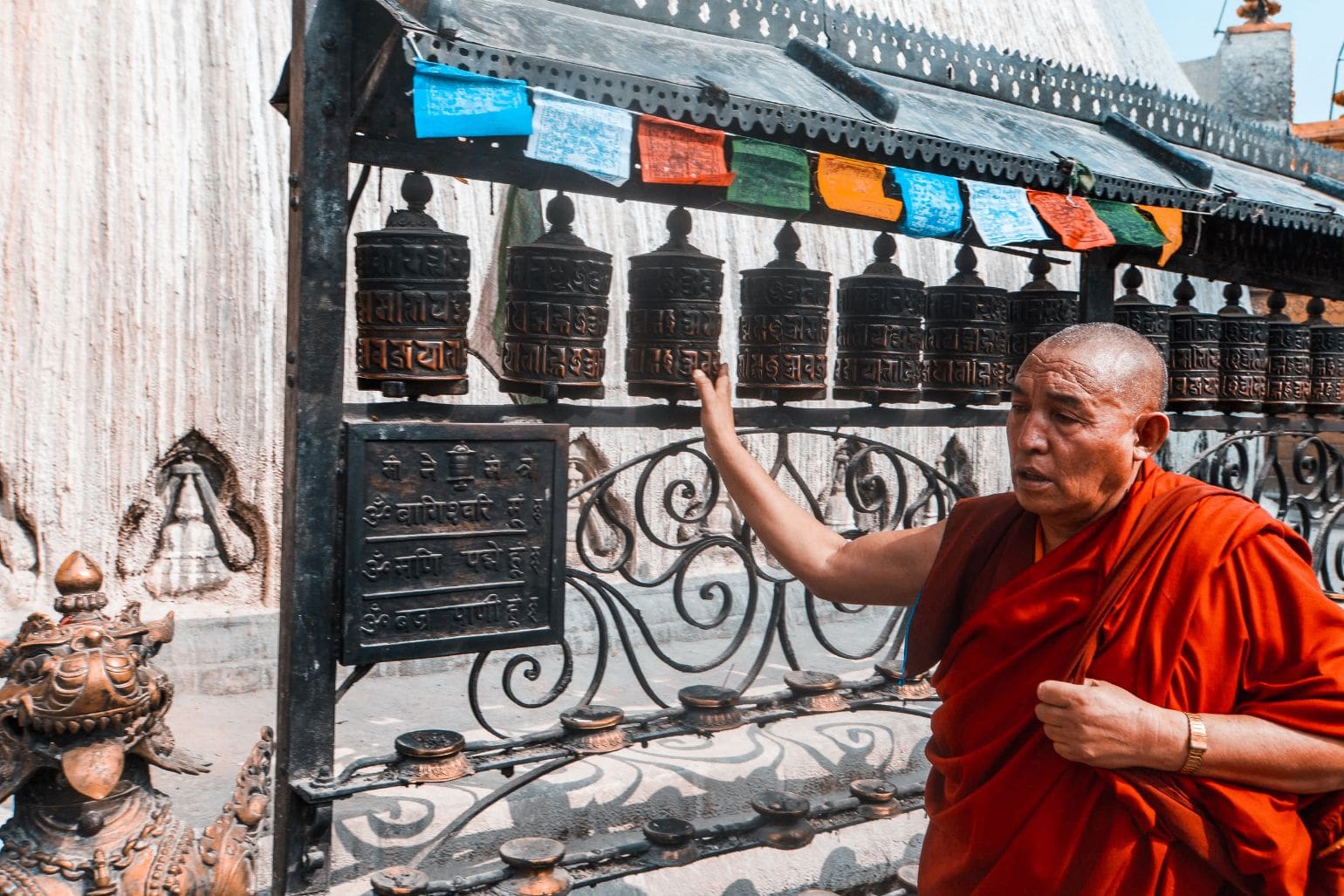
Across the world, travelers are choosing meaning over marketing. Studies from Booking.com and Expedia show that more than 70 percent of global travelers now seek authentic, community-based experiences.
Sustainable tourism isn’t only about shrinking footprints. It’s about strengthening roots. When travelers spend with local businesses, 65 percent of that money stays within the community, according to the UNWTO. That means every handmade breakfast, neighborhood tour, and artisan partnership keeps value where it belongs.
For property owners, culture is also good business. Guests who participate in cultural or hands-on experiences stay longer and spend more. A 2023 European Network for Cultural Centers report found that every dollar spent in a local workshop circulates about 1.7 times through nearby cafés, lodging, and suppliers.
“Destinations that protect cultural heritage and empower local entrepreneurs build strong, resilient visitor economies. It’s not just sustainability — it’s good business.”— Global Sustainable Tourism Council (GSTC)
Five Ways to Bring Culture Into Guest Experiences

1. Source Locally and Tell the Story
Replace anonymous décor with handmade pieces from nearby artisans. A hand-woven throw or a locally made ceramic mug carries the story of the place. Add a card or QR code that tells who made it and where to find them.
2. Create Local Connection Moments
Offer guests a short, optional experience that connects them to local life. It can be a morning coffee roasting demo, a pottery class, or an evening storytelling circle. Properties that introduce even one hands-on session see measurable increases in satisfaction and repeat bookings.
3. Bundle Experiences with Stays
Partner with guides, artists, or chefs to offer themed packages such as “Art and Breakfast Weekends” or “Farm-to-Table Getaways.” These partnerships keep spending local and add value guests can’t find elsewhere.
4. Measure Impact
Track dwell time, workshop participation, and local purchases. Simple digital tools or QR surveys show what resonates and help you prove the community benefit of your programs.
5. Build Long-Term Relationships
Culture isn’t a campaign. It grows through consistency. Offer artisans long-term display space, repeat collaborations, or referral incentives. Small grants or shared-profit displays can yield significant returns for both sides.
How AI Can Help Culture Thrive
Artificial Intelligence isn’t here to replace human creativity. It’s here to reveal it. Used well, AI gives local makers and hosts new visibility while keeping their stories authentic.
Translate and Transcribe. AI translation tools help artisans share their stories in multiple languages. Voice-to-text tools can turn interviews into digital profiles.
Simplify Marketing. Many makers excel at craft but struggle with copy. AI writing assistants can help create product descriptions, event blurbs, or itinerary pages without losing the artisan’s voice.
Track and Learn. Analytics tools identify which stories, workshops, or products create the most engagement. This data helps properties refine offerings and focus resources where they bring the greatest local return.
Personalize Guest Discovery. AI chat tools can recommend verified local experiences based on guest interests, connecting travelers to authentic activities that match their values.
AI doesn’t tell the story for you. It amplifies the storytellers who already exist in your community.
Your 90-Day Cultural Roadmap
Month 1: Pilot
Choose one local collaboration. Host a small event, stock a few artisan pieces, or feature a local product in every stay.
Month 2: Measure
Track guest participation, social mentions, and feedback. Record new local spend generated through the partnership.
Month 3: Scale
Turn what works into a repeatable model. Add a second partner or expand the offering seasonally.
Sustainable culture grows by iteration, not marketing spend.
Why This Matters
I spent more than twenty years living in the land of the Maya.
I watched their art, language, and rituals become packaged, priced, and diluted until only fragments remained. The culture that once shaped daily life turned into a backdrop for photos.
That’s when I learned the difference between honoring a culture and selling one.
Tourism can preserve, or it can consume. The difference is intent.
When your property becomes a bridge between travelers and the people who make your destination worth visiting, you’re not just offering hospitality. You’re helping a culture endure.
Culture doesn’t need a marketing plan.
It needs stewards who care enough to protect it, promote it responsibly, and pass it forward.
At Smart Pineapple, we believe real sustainability isn’t a slogan.
It’s when everyone — guests, hosts, and communities — grows from the same story.
Sources and Further Reading
Economic and Cultural Sustainability
- World Bank – Forests: From Overexploitation to Employment Creation (Oaxaca)
- SciELO – Ecotourism in the Sierra Norte, Oaxaca
- GSTC – Preserving the Personality of Place
- GSTC – What Is Sustainable Tourism?
- Kohutapu Lodge: A Model for Regenerative Tourism in New Zealand (BBC)
- The Value of Māori Tourism – BERL NZ (PDF)
Embedded Sustainability in Strategies
- Travelife Industry Report – Bhutan Sustainable Tourism
- Amen Bhutan Blog – Eco Tourism in Bhutan
- Country and Town House – Hotels with Community and Conservation Initiatives
- Academia.edu – Host–Guest Orientations of Community-Based Tourism Products in Bali, Indonesia
- National Geographic Traveller – Cities, Culture and Cuisine of Italy
- Slow Tourism Guidelines (PDF)
Additional Supporting Reports
- GSTC Destination Stewardship Yearbook 2023–2024
- Landcare Research – Demand for Māori Eco-Cultural Tourism
- CIF – Mexico Forest Investment Program Case Study
- Geo-Mexico – Community Tourism and Craft Economies
- Breathe Bhutan – Travel Guide for the Mindful Traveler
Latest posts

Guests arrive with expectations shaped by content, not reality. When those expectations are off, you get the impact through questions, stress, and reviews.
A lot of guest problems do not start at check-in. They start earlier, when people are left to guess what kind of place they are walking into. This piece is about that part.
Repeat bookings are not a marketing trick; they are the result of simple systems built after checkout. This guide explains how returning guests think, why they slip away, and four practical changes that make coming back easier.


